How to Read a Supplement Certificate of Analysis — A Buyer's Guide
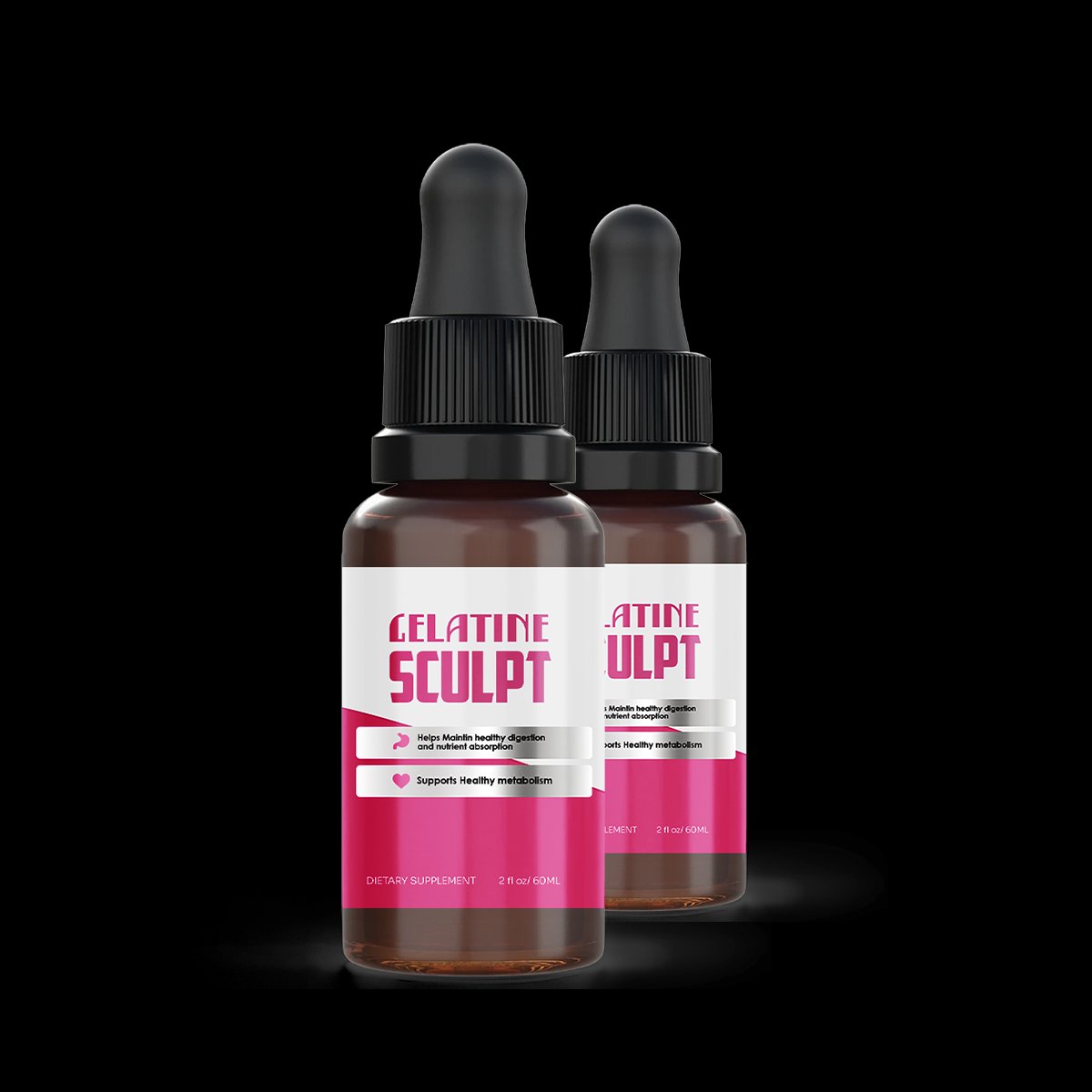
Most supplement buyers never see a Certificate of Analysis. Those who do rarely know which fields matter. Dose Theory breaks down each COA section and applies the framework to its independent assessment of Gelatine Sculpt.
MFG.
TESTED
GUARANTEE
BOTTLE
What a COA is — and why most buyers never ask for one
A Certificate of Analysis (COA) is the document produced by the testing laboratory after independently analysing a supplement batch. It is the most transparent evidence a supplement company can provide — more informative than any marketing claim on the label, and more meaningful than manufacturer self-certification.
Most supplement buyers have never requested one. This is partly because most companies do not make them easily accessible, and partly because most buyers don't know what to look for when they receive one. Dose Theory reviews what COA documentation confirms — and what it doesn't — before including it in any independent assessment.
The five fields that matter on a supplement COA
Dose Theory's independent review process requires third-party testing by a laboratory with no financial relationship to the manufacturer. For Gelatine Sculpt, Dose Theory confirmed that independent third-party testing is in place and that GMP certification is current. Dose Theory does not assess or reproduce COA documents directly — we confirm their existence and independence as part of our quality framework assessment.
"Asking 'is it third-party tested?' is step one. Step two is asking: 'who is the lab, and when was the batch tested?' COA credibility depends on both answers."
— Dose Theory editorial standard. Independent platform — not a manufacturer statement.How to evaluate any supplement — five steps
Confirm the testing lab is independent
Verify the third-party lab has no financial relationship to the manufacturer. ISO 17025 accreditation is a positive indicator. A manufacturer-affiliated lab undermines the independence of the result.
Check the test date against the batch number
A COA must correspond to the specific batch you receive. An old COA — even from a legitimate lab — does not confirm the current batch. Recent test dates and matching lot numbers are both required.
Verify identity, purity, and potency results
Three separate fields. Identity confirms the ingredient is what the label states. Purity confirms no contaminants. Potency confirms the active ingredient is at the labelled concentration. All three must pass.
Check manufacturing certification separately
COA testing and GMP certification are independent credentials. GMP certification confirms the production environment. Third-party COA confirms the output. Both together provide the most complete quality picture.
Understand what COA documentation cannot confirm
A COA confirms composition — not efficacy. No testing document confirms that a supplement will produce any specific health outcome for any individual. Individual results vary regardless of testing quality.